
Overview
SSM Hospital’s Cardiology Department offers complete treatment for conditions affecting the heart and blood vessels. The heart pumps blood constantly to provide the body with nutrition and oxygen. When it malfunctions, it can cause major ailments including exhaustion, breathing problems, chest discomfort, or abrupt collapse.
Early identification, preventative screening, precise diagnosis, and prompt treatment of cardiac issues are the main goals of our cardiology team. In order to avoid heart attacks and long-term problems, we assist patients in managing risk factors such as high blood pressure, diabetes, obesity, and cholesterol.
Book Appointment
Treatments & Procedure
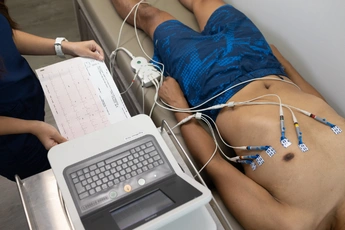
ECG, or electrocardiogram
A straightforward test that captures the heart’s electrical activity.
A heart attack, irregular pulse, and cardiac strain can be detected with the use of an electrocardiogram (ECG).
(The test involves applying tiny sensors to the chest and is painless.)
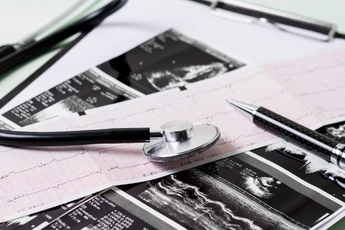
2D echocardiography
Ultrasound that displays the heart’s anatomy and pumping action.
It helps assess valves, chambers, and pumping force by using sound waves to produce animated pictures of the heart.
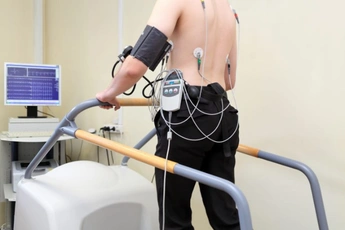
Stress Test or Treadmill Test (TMT)
During a treadmill walk, a heart performance test is conducted.
The test helps detect clogged heart arteries that cause chest discomfort and tracks heart function during exercise.
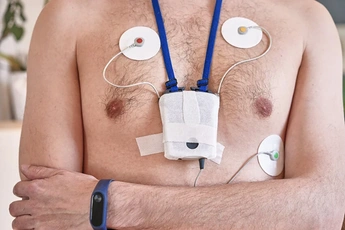
Holter Observation
Heartbeat is continuously recorded for 24 hours.
An ECG may not pick up abnormal rhythms, therefore a tiny portable gadget monitors heartbeats for a full day.
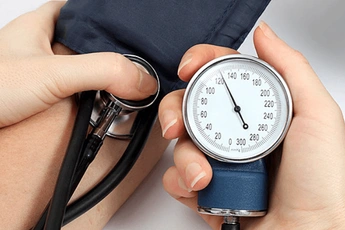
Management of Hypertension (BP)
Medical management of hypertension to safeguard the brain and heart.
Kidney problems, heart attacks, and strokes can result from persistently elevated blood pressure. Medication and lifestyle modifications are part of the treatment.
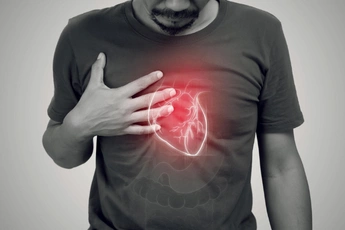
Management of Heart Failure
Therapy for impaired cardiac pumping function.
Leg swelling, exhaustion, and dyspnea are symptoms of heart failure, which occurs when the heart is unable to pump blood efficiently. Medications and routine observation aid with symptom management.
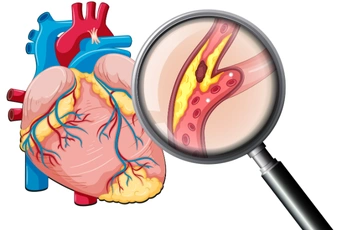
Treatment of Coronary Artery Disease
Therapy for heart blood vessel narrowing or blockage.
The arteries that nourish the heart become narrowed by deposits of fat and cholesterol. Heart attacks can be avoided with early diagnosis.
Risk assessment and preventive cardiology
Screening to determine the risk of heart disease in the future before symptoms manifest.
We give individualized preventative strategies after evaluating blood pressure, diabetes, weight, cholesterol, and lifestyle choices.
ECG, or electrocardiogram
A straightforward test that captures the heart’s electrical activity.
A heart attack, irregular pulse, and cardiac strain can be detected with the use of an electrocardiogram (ECG).
(The test involves applying tiny sensors to the chest and is painless.)
2D echocardiography
Ultrasound that displays the heart’s anatomy and pumping action.
It helps assess valves, chambers, and pumping force by using sound waves to produce animated pictures of the heart.
Stress Test or Treadmill Test (TMT)
During a treadmill walk, a heart performance test is conducted.
The test helps detect clogged heart arteries that cause chest discomfort and tracks heart function during exercise.
Holter Observation
Heartbeat is continuously recorded for 24 hours.
An ECG may not pick up abnormal rhythms, therefore a tiny portable gadget monitors heartbeats for a full day.
Management of Hypertension (BP)
Medical management of hypertension to safeguard the brain and heart.
Kidney problems, heart attacks, and strokes can result from persistently elevated blood pressure. Medication and lifestyle modifications are part of the treatment.
Management of Heart Failure
Therapy for impaired cardiac pumping function.
Leg swelling, exhaustion, and dyspnea are symptoms of heart failure, which occurs when the heart is unable to pump blood efficiently. Medications and routine observation aid with symptom management.
Treatment of Coronary Artery Disease
Therapy for heart blood vessel narrowing or blockage.
The arteries that nourish the heart become narrowed by deposits of fat and cholesterol. Heart attacks can be avoided with early diagnosis.
Risk assessment and preventive cardiology
Screening to determine the risk of heart disease in the future before symptoms manifest.
We give individualized preventative strategies after evaluating blood pressure, diabetes, weight, cholesterol, and lifestyle choices.
Diseases treated


FAQs
Breathlessness, sweating, nausea, left arm discomfort, chest pressure, or abrupt weakness.
Echo displays the structure and pumping action of the heart, whereas ECG records the electrical activity of the heart.
People above 35 years, diabetics, smokers, overweight individuals, or those with family history of heart disease.
Not always, but any severe or ongoing chest pain needs to be checked out right away.
Indeed. Chronically high blood pressure can cause kidney damage, heart failure, and stroke.
Healthy diet, regular walking, weight control, avoiding smoking, and regular health screening.