
Overview
Cancer frequently grows in silence and can impact every organ in the body. Recovery prospects are significantly increased by early diagnosis and appropriate therapy. Complete cancer care is offered by our oncology department, including screening, diagnosis, advanced treatment, and long-term monitoring.
Every patient has a unique treatment plan created by a team of oncologists, surgeons, radiologists, and support professionals.
Book Appointment
Treatments & Procedure
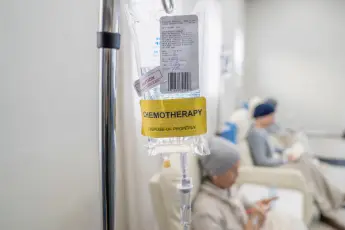
Chemotherapy
Drugs that kill cancer cells all across the body.
Chemotherapy employs potent anti-cancer medications to either eradicate or halt the growth of cancer cells. Depending on the kind and stage of the malignancy, it can be administered intravenously (IV drip), orally, or via injection.
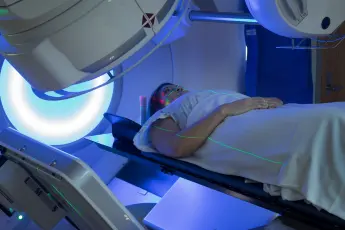
Radiation Therapy
Tumor shrinkage or removal with high-energy rays.
Radiation treatment destroys cancer cells in a targeted location using concentrated beams that are stronger than X-rays. It is frequently used to treat malignancies of the head and neck, brain, prostate, and breast.
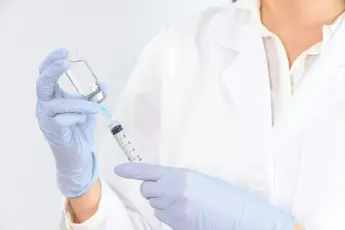
Immunotherapy
Strengthening the body’s natural defenses to combat cancer.
Immunotherapy aids in the immune system’s ability to identify and combat cancer cells. It is particularly helpful for melanoma, lung cancer, and several types of blood cancer.
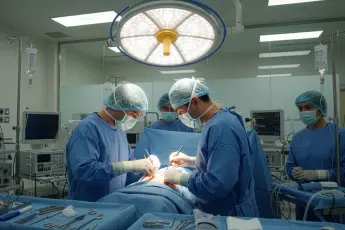
Surgical Oncology
Cancer can be surgically removed to stop its spread.
The tumor and occasionally the surrounding lymph nodes- small, infection-fighting glands where cancer might spread are removed during cancer surgery. Surgery is often enough to cure early-stage malignancies.
Targeted Therapy
Precision therapy that targets cancerous cells while sparing healthy ones.
Targeted treatment employs medications made to target particular proteins or genes that support the growth of cancer. In comparison to conventional chemotherapy, it frequently has fewer adverse effects.
Chemotherapy
Drugs that kill cancer cells all across the body.
Chemotherapy employs potent anti-cancer medications to either eradicate or halt the growth of cancer cells. Depending on the kind and stage of the malignancy, it can be administered intravenously (IV drip), orally, or via injection.
Radiation Therapy
Tumor shrinkage or removal with high-energy rays.
Radiation treatment destroys cancer cells in a targeted location using concentrated beams that are stronger than X-rays. It is frequently used to treat malignancies of the head and neck, brain, prostate, and breast.
Immunotherapy
Strengthening the body’s natural defenses to combat cancer.
Immunotherapy aids in the immune system’s ability to identify and combat cancer cells. It is particularly helpful for melanoma, lung cancer, and several types of blood cancer.
Surgical Oncology
Cancer can be surgically removed to stop its spread.
The tumor and occasionally the surrounding lymph nodes- small, infection-fighting glands where cancer might spread are removed during cancer surgery. Surgery is often enough to cure early-stage malignancies.
Targeted Therapy
Precision therapy that targets cancerous cells while sparing healthy ones.
Targeted treatment employs medications made to target particular proteins or genes that support the growth of cancer. In comparison to conventional chemotherapy, it frequently has fewer adverse effects.


FAQs
When caught early, many malignancies can be cured. Treatment can enhance quality of life, manage the disease, and lessen symptoms even in advanced stages.
Not every therapy results in hair loss. It is mostly caused by specific chemotherapy medications and is usually transient; hair normally regrows when treatment is finished.
Radiation treatment is targeted only at the tumor site and is meticulously prepared. It is safe for family members and does not render the patient radioactive.
Chemotherapy is typically painless. It is administered as pills or via drip. Doctors prescribe medications to manage adverse symptoms, such as weakness, nausea, or hair loss, that some patients may encounter.
When caught early, many malignancies can be cured. How long does it take to treat cancer? Treatment can manage the disease even in its later stages. The kind and stage of the cancer determine how long the treatment will take. While some therapies have planned cycles and span a few weeks, others may take several months.
Cancer can reoccur under certain situations. For this reason, when treatment is finished, routine follow-up appointments and scans are crucial.