
Overview
The General Medicine Department at SSM Hospital is where most patients first interact with the hospital. Our doctors give advice for long-term illness control as well as diagnosis, treatment, and management of common health issues affecting people.
Our main priorities are lifestyle counseling, preventative care, and early diagnosis. Following a thorough review, patients are directed to the relevant department if specialist treatment is required.
Book Appointment
Treatments & Procedure

Fever & Infection Management
Identifying and treating seasonal illnesses and common infections.
Following an examination and blood tests to determine the source of the fever, doctors prescribe medication to treat parasite, viral, or bacterial illnesses
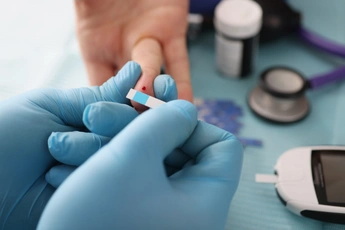
Diabetes Care (Sugar Control Clinic)
Long-term blood sugar control to prevent issues.
Diabetes develops when low insulin or insulin resistance causes blood sugar levels to stay elevated. Medication, meal planning, and routine observation are all part of the treatment.

Hypertension Management
Therapy and observation of hypertension.
Although hypertension, or high blood pressure, frequently shows no symptoms, if left untreated, it can harm the kidneys, heart, and brain. Physicians provide drugs and offer lifestyle guidance.

Respiratory Disease Care
Therapy for lung disorders and breathing issues.
The department uses medicine, inhalers, and preventative care to treat bronchitis, asthma, and other respiratory conditions.

Gastrointestinal Problem Treatment
Treat digestive issues, acidity, and stomach discomfort.
In addition to prescribing medicine and dietary advice, doctors assess digestive symptoms such loose stools, vomiting, acidity, and abdominal discomfort.

Preventive Health Check-ups
Routine medical examinations to identify illnesses early.
Frequent checks lower the chance of developing a major disease and can detect health problems before symptoms show up.
Fever & Infection Management
Identifying and treating seasonal illnesses and common infections.
Following an examination and blood tests to determine the source of the fever, doctors prescribe medication to treat parasite, viral, or bacterial illnesses
Diabetes Care (Sugar Control Clinic)
Long-term blood sugar control to prevent issues.
Diabetes develops when low insulin or insulin resistance causes blood sugar levels to stay elevated. Medication, meal planning, and routine observation are all part of the treatment.
Hypertension Management
Therapy and observation of hypertension.
Although hypertension, or high blood pressure, frequently shows no symptoms, if left untreated, it can harm the kidneys, heart, and brain. Physicians provide drugs and offer lifestyle guidance.
Respiratory Disease Care
Therapy for lung disorders and breathing issues.
The department uses medicine, inhalers, and preventative care to treat bronchitis, asthma, and other respiratory conditions.
Gastrointestinal Problem Treatment
Treat digestive issues, acidity, and stomach discomfort.
In addition to prescribing medicine and dietary advice, doctors assess digestive symptoms such loose stools, vomiting, acidity, and abdominal discomfort.
Preventive Health Check-ups
Routine medical examinations to identify illnesses early.
Frequent checks lower the chance of developing a major disease and can detect health problems before symptoms show up.


General Medicine Doctors


FAQs
If you have a fever, weakness, headache, persistent cough, gastrointestinal issues, or uncontrolled blood pressure or sugar, you should go.
No, tests are only recommended when they are required to confirm the diagnosis and prevent the need for further treatment.
Although diabetes is often a chronic illness, it can be effectively managed with medication, dietary modifications, and lifestyle adjustments.
Yes, annual physicals aid in the early detection of heart disease, diabetes, and cholesterol issues.
Yes, they identify, treat, and keep an eye on problems for chronic diseases including diabetes and hypertension.
A general medicine physician should be your first choice as they will assess you and, if necessary, provide additional therapy.
Adults over 30 should get their blood pressure checked at least once every six months, or more regularly if they have a diagnosis.