
Overview
SSM Hospital’s Radiology Department uses cutting-edge imaging scans to assist physicians in diagnosing medical issues without the need for surgery. With the use of these tests, medical professionals may safely and precisely view within the body to detect illnesses, infections, and accidents early.
From emergency treatment to cancer screening and pregnancy monitoring, radiology is crucial in practically every department. The majority of scans are short, painless, and done as outpatient operations.
Book Appointment
Treatments & Procedure
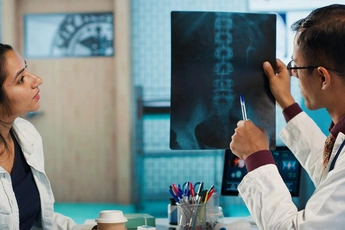
X-ray imaging
A quick imaging examination to examine injuries, the chest, and the bones.
X-rays use a very small amount of radiation to produce images of the inside of bones and organs. It is frequently used to treat joint issues, chest infections, and fractures.
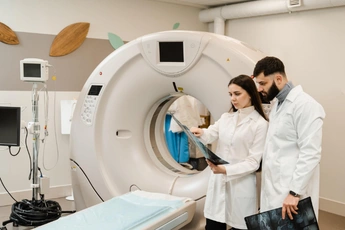
CT Scan (Computed Tomography)
Thorough body scan to find malignancies and interior damage.
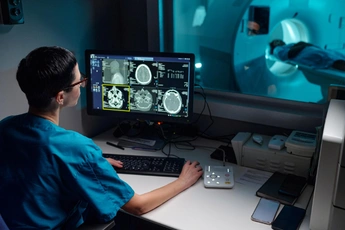
A CT scan creates cross-sectional images of organs by combining many X-ray images using a computer.
(A cross-section is a narrow slice of the body, similar to slicing a loaf of bread.)
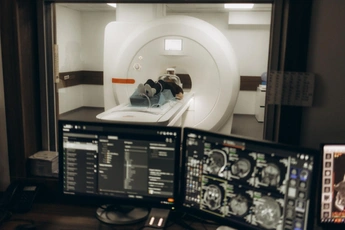
MRI Scan (Magnetic Resonance Imaging)
Advanced scan for the spine, joints, brain, and nerves.
MRI produces incredibly clear pictures of soft tissues, including the brain, muscles, ligaments, and spinal cord, using magnetic waves rather than radiation. It helps with joint and nerve issues.
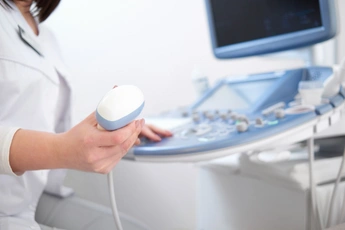
Ultrasound Scan
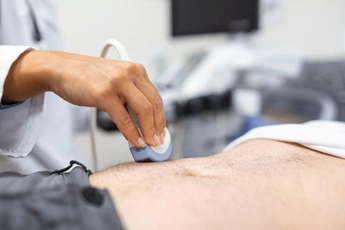
Pregnancy and abdominal organs can be safely scanned using sound waves.
During pregnancy, ultrasound creates real-time pictures of organs and the growing fetus using sound waves. It is painless and totally safe.
Doppler Study
Test for vascular obstructions and blood circulation.
Doppler ultrasonography measures the flow of blood via veins and arteries. It aids in the detection of circulation issues, varicose veins, and clots.
Interventional Radiology (Image-Guided Procedures)
Minor operations carried done without major surgery under scan direction.
To diagnose or treat illnesses, medical professionals employ imaging guidance to introduce needles or tubes into the body.
(Removing a little tissue sample for analysis is called a biopsy.)
X-ray imaging
A quick imaging examination to examine injuries, the chest, and the bones.
X-rays use a very small amount of radiation to produce images of the inside of bones and organs. It is frequently used to treat joint issues, chest infections, and fractures.
CT Scan (Computed Tomography)
Thorough body scan to find malignancies and interior damage.
A CT scan creates cross-sectional images of organs by combining many X-ray images using a computer.
(A cross-section is a narrow slice of the body, similar to slicing a loaf of bread.)
MRI Scan (Magnetic Resonance Imaging)
Advanced scan for the spine, joints, brain, and nerves.
MRI produces incredibly clear pictures of soft tissues, including the brain, muscles, ligaments, and spinal cord, using magnetic waves rather than radiation. It helps with joint and nerve issues.
Ultrasound Scan
Pregnancy and abdominal organs can be safely scanned using sound waves.
During pregnancy, ultrasound creates real-time pictures of organs and the growing fetus using sound waves. It is painless and totally safe.
Doppler Study
Test for vascular obstructions and blood circulation.
Doppler ultrasonography measures the flow of blood via veins and arteries. It aids in the detection of circulation issues, varicose veins, and clots.
Interventional Radiology (Image-Guided Procedures)
Minor operations carried done without major surgery under scan direction.
To diagnose or treat illnesses, medical professionals employ imaging guidance to introduce needles or tubes into the body.
(Removing a little tissue sample for analysis is called a biopsy.)


Radiology Doctors

FAQs
For accurate reports and scans overseen by a physician, you can visit the radiology department at SSM Hospital.
Indeed. Early tumor detection with imaging tests such as MRI, CT, and ultrasound enables prompt therapy.
Depending on the scan, basic findings are often accessible the same day or within 24 hours.
Indeed. In order to select the appropriate test and prevent needless radiation, the majority of scans require a doctor’s referral.
CT scans are quicker and more helpful for injuries or emergencies. MRI offers more precise pictures of the joints, brain, and nerves.