
Overview
SSM Hospital’s plastic surgery department offers both cosmetic and reconstructive surgical services. In addition to enhancing looks, the goal is to return the body to normal function following an injury, burn, birth deformity, or illness.
Plastic surgery isn’t all about cosmetic treatments; it may also assist people who suffer burns, accidents, or abnormalities return to their regular lives. To provide outcomes that are pleasant and natural-looking, our doctors employ safe surgical techniques and meticulous aftercare.
Book Appointment
Treatments & Procedure

Reconstructive Surgery
Repairing broken bodily parts to return them to their original shape and function.
When bodily tissues are harmed by burns, infections, accidents, cancer surgery, or congenital abnormalities, reconstructive surgery is performed. The objective is to restore normal function and aesthetics to the damaged region.

Cosmetic Surgery
Techniques to boost self-esteem and body image.
Enhancing one’s natural look is the main goal of cosmetic surgery. When someone wants their shape, contour, or age-related alterations corrected, it is done.
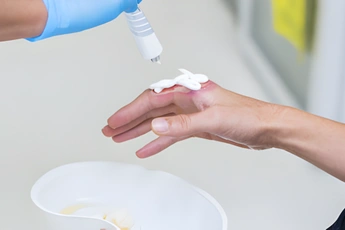
Burn Care & Reconstruction
Complete care for burn injuries and scarring.
Burn injuries need to be treated very away, and then the skin and mobility must be restored through reconstructive operations. Scars are lessened, healing is enhanced, and infection is decreased with treatment.
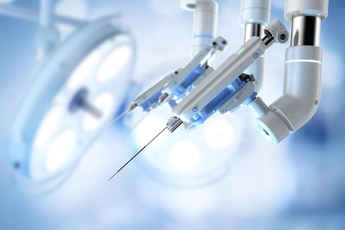
Microsurgery
Employing magnification to precisely mend tiny blood vessels and nerves.
Using tiny devices and specialized microscopes, microsurgery repairs the body’s minuscule structures.
(A microsurgery is a sensitive repair procedure performed using high-magnification equipment.)
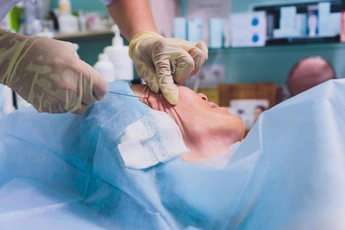
Craniofacial Surgery
Correction of abnormalities of the skull and face.
This procedure corrects facial and cranial deformities brought on by trauma or congenital malformations. It enhances face symmetry, breathing, eating, and speaking.
Reconstructive Surgery
Repairing broken bodily parts to return them to their original shape and function.
When bodily tissues are harmed by burns, infections, accidents, cancer surgery, or congenital abnormalities, reconstructive surgery is performed. The objective is to restore normal function and aesthetics to the damaged region.
Cosmetic Surgery
Techniques to boost self-esteem and body image.
Enhancing one’s natural look is the main goal of cosmetic surgery. When someone wants their shape, contour, or age-related alterations corrected, it is done.
Burn Care & Reconstruction
Complete care for burn injuries and scarring.
Burn injuries need to be treated very away, and then the skin and mobility must be restored through reconstructive operations. Scars are lessened, healing is enhanced, and infection is decreased with treatment.
Microsurgery
Employing magnification to precisely mend tiny blood vessels and nerves.
Using tiny devices and specialized microscopes, microsurgery repairs the body’s minuscule structures.
(A microsurgery is a sensitive repair procedure performed using high-magnification equipment.)
Craniofacial Surgery
Correction of abnormalities of the skull and face.
This procedure corrects facial and cranial deformities brought on by trauma or congenital malformations. It enhances face symmetry, breathing, eating, and speaking.


FAQs
Although appointments are advised to cut down on wait times, walk-in patients are also welcome, subject to the availability of the doctor.
Yes, scars, abnormalities, non-healing wounds, cleft lip, and post-injury reconstruction are among the common reasons why patients come in.
Insurance often covers medically essential treatments including reconstructive surgery. Usually, cosmetic operations are not covered.
To arrange a meeting with the doctor, you can visit the hospital or get in touch with the reception directly.
Yes, if necessary, the hospital performs reconstructive treatments after providing emergency care for burns, wounds, and injuries.
After examining you, the surgeon can suggest medications or dressings. Only when surgery is the safest and most efficient course of action is it recommended.
Indeed. In order to track recovery, remove sutures if necessary, and avoid infection, follow-up examinations are crucial.