
Overview
The orthopaedics department at our SSM hospital services with comprehensive care for affected bones, joints, ligament muscles, and spine. Treated from usual joint paint to complex fractures and other degenerative conditions, our specialists focus on diagnosis, pain relief, restoring mobility, and long-term recovery process
Our experts combine clinical expertise with advanced diagnostic tools and latest surgical techniques for making the patient recover quickly into their normal activities comfortably.
Book Appointment
Treatments & Procedure
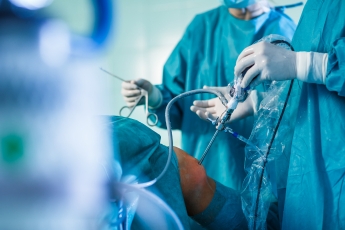
Joint Replacement Surgery
When severe arthritis or joint degradation results in chronic pain and mobility issues, joint replacement surgery is undertaken. The process involves removing the worn-out joint surfaces and replacing them with long-lasting artificial implants that are intended to lessen discomfort and restore mobility.
It greatly enhances the quality of life for patients with severe joint illness and is frequently done on the knee, hip, and shoulder joints.
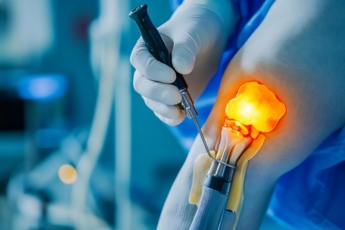
Arthroscopy
In order to diagnose and treat joint issues, a tiny camera is placed into the joint through tiny incisions during an arthroscopy, a minimally invasive (keyhole) treatment. Compared to open surgery, it allows for a speedier recovery and results in less tissue damage.
It is frequently used to treat chronic joint swelling, cartilage degeneration, and ligament problems.
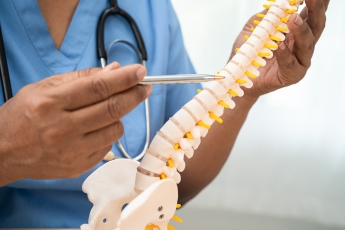
Spinal Fusion
Through the permanent merging of two or more vertebrae, spinal fusion surgery stabilizes the spine. It is advised for abnormalities, severe disc degeneration, spinal instability, and nerve compression that results in persistent leg or back discomfort.
The process lessens discomfort and stops the spine from moving abnormally.
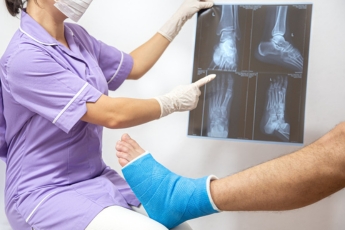
Fracture Treatment
Proper alignment and healing of fractured bones following trauma, accidents, or falls are the main goals of fracture therapy. Treatment options include surgical fixation or casting, depending on the severity.
Normal limb function is restored and deformity is prevented with early therapy.

Sports Medicine
Athletic training, overuse, and physical activity-related injuries are managed by sports medicine. Rehabilitating the joint and, if required, performing minimally invasive treatments are part of the treatment.
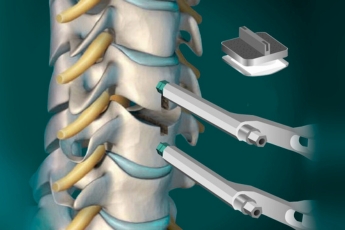
Disc Replacement Surgery
In order to relieve nerve pressure and preserve spinal flexibility and mobility, a damaged spinal disc is removed during disc replacement surgery and replaced with an artificial disc.
Joint Replacement Surgery
When severe arthritis or joint degradation results in chronic pain and mobility issues, joint replacement surgery is undertaken. The process involves removing the worn-out joint surfaces and replacing them with long-lasting artificial implants that are intended to lessen discomfort and restore mobility.
It greatly enhances the quality of life for patients with severe joint illness and is frequently done on the knee, hip, and shoulder joints.
Arthroscopy
In order to diagnose and treat joint issues, a tiny camera is placed into the joint through tiny incisions during an arthroscopy, a minimally invasive (keyhole) treatment. Compared to open surgery, it allows for a speedier recovery and results in less tissue damage.
It is frequently used to treat chronic joint swelling, cartilage degeneration, and ligament problems.
Spinal Fusion
Through the permanent merging of two or more vertebrae, spinal fusion surgery stabilizes the spine. It is advised for abnormalities, severe disc degeneration, spinal instability, and nerve compression that results in persistent leg or back discomfort.
The process lessens discomfort and stops the spine from moving abnormally.
Fracture Treatment
Proper alignment and healing of fractured bones following trauma, accidents, or falls are the main goals of fracture therapy. Treatment options include surgical fixation or casting, depending on the severity.
Normal limb function is restored and deformity is prevented with early therapy.
Sports Medicine
Athletic training, overuse, and physical activity-related injuries are managed by sports medicine. Rehabilitating the joint and, if required, performing minimally invasive treatments are part of the treatment.
Disc Replacement Surgery
In order to relieve nerve pressure and preserve spinal flexibility and mobility, a damaged spinal disc is removed during disc replacement surgery and replaced with an artificial disc.
Diseases treated


Orthopaedics Doctors

FAQs
In order to restore mobility and alleviate discomfort, joint replacement surgery entails removing the damaged joint components and replacing them with an artificial implant. It is frequently done for the shoulder, hip, and knee.
The field of sports medicine focuses on identifying, managing, and preventing injuries associated with exercise and sports, including surgery and rehabilitation where necessary.
Doctors can use arthroscopy to diagnose and treat joint issues with tiny incisions, which reduces discomfort, leaves fewer scars, and speeds up healing.
To reduce pain and preserve spinal mobility, disc replacement surgery removes a damaged spinal disc and replaces it with an artificial disc.
Spinal deformities, severe disc degeneration, slipped vertebrae, spinal instability, and nerve compression that results in weakness, back discomfort, or leg pain are all treated with spinal fusion.
Injuries can be avoided with the right warm-up, stretching, strengthening exercises, proper footwear, and a gradual increase in activity levels.
While major fractures may need surgery utilizing plates, screws, or rods to properly align the bone, minor fractures are treated with splints or casts.
Small incisions and specialized tools are used in minimally invasive spine surgery to address spinal issues with less tissue damage, less discomfort, and a faster recovery time.