
Overview
Many common health concerns involving the belly, digestive system, breast, thyroid, and soft tissues can be surgically treated at the general surgery department at SSM Hospital. Both standard and minimally invasive (keyhole) surgery, which lessens discomfort, scarring, and recovery time, are skills that our surgeons are educated in.
To enable patients to swiftly and comfortably return to their regular lives, we prioritize safe procedures, appropriate pre-operative evaluation, and meticulous post-operative care.
Book Appointment
Treatments & Procedure
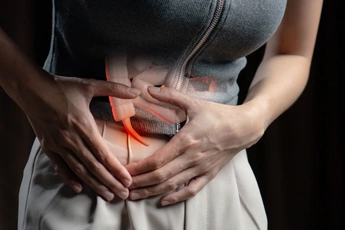
Appendectomy
An infected appendix should be removed safely to avoid major consequences.
When the appendix swells and becomes infected (appendicitis), an appendectomy is done. It can rupture and result in a serious illness if left untreated. For a quicker recovery, the appendix is removed during surgery, typically using tiny keyhole incisions.
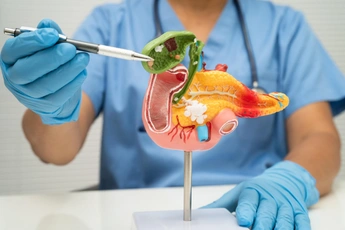
Cholecystectomy (Gallbladder Surgery)
A long-term remedy for gallbladder discomfort and gallstones.
The removal of the gallbladder, a tiny organ that holds bile (a digestive fluid), is known as a cholecystectomy. Gallstones can cause infection, vomiting, and excruciating stomach discomfort by obstructing bile flow. Surgery avoids recurrence and reduces symptoms.
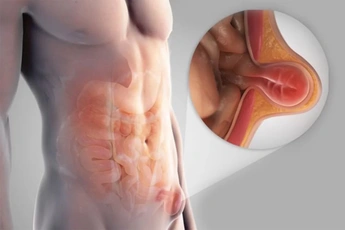
Hernia Repair Surgery
Fixing weakened muscles that result in bulging or edema.
An internal organ pushing through a weak spot in the abdominal muscles causes a hernia, which manifests as a bulge in the belly or groin. To stop it from returning, surgery fortifies the muscle wall with sutures or a surgical mesh, a medical support net.
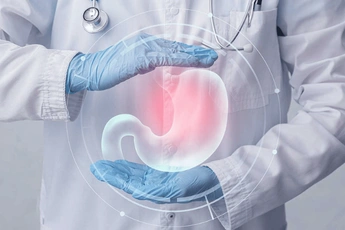
Gastrectomy (Stomach Surgery)
To treat severe stomach illness, a portion of the stomach is removed.
In a gastrectomy, a section of the stomach—rarely the entire stomach—is removed. It could be necessary for non-healing growths, excessive bleeding, huge ulcers, or stomach cancer. Following surgery, digestion proceeds as usual under nutritional supervision.

Breast Surgery
Treatment for cancer, infections, and breast tumors.
To remove malignant growths, abscesses, or non-cancerous tumors, breast surgery is performed. Early intervention enhances recovery results and helps stop spread.
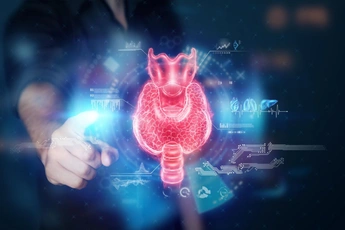
Thyroid Surgery
Treatment for cancer, infections, and breast tumors.
To remove malignant growths, abscesses, or non-cancerous tumors, breast surgery is performed. Early intervention enhances recovery results and helps stop spread.
Appendectomy
An infected appendix should be removed safely to avoid major consequences.
When the appendix swells and becomes infected (appendicitis), an appendectomy is done. It can rupture and result in a serious illness if left untreated. For a quicker recovery, the appendix is removed during surgery, typically using tiny keyhole incisions.
Cholecystectomy (Gallbladder Surgery)
A long-term remedy for gallbladder discomfort and gallstones.
The removal of the gallbladder, a tiny organ that holds bile (a digestive fluid), is known as a cholecystectomy. Gallstones can cause infection, vomiting, and excruciating stomach discomfort by obstructing bile flow. Surgery avoids recurrence and reduces symptoms.
Hernia Repair Surgery
Fixing weakened muscles that result in bulging or edema.
An internal organ pushing through a weak spot in the abdominal muscles causes a hernia, which manifests as a bulge in the belly or groin. To stop it from returning, surgery fortifies the muscle wall with sutures or a surgical mesh, a medical support net.
Gastrectomy (Stomach Surgery)
To treat severe stomach illness, a portion of the stomach is removed.
In a gastrectomy, a section of the stomach—rarely the entire stomach—is removed. It could be necessary for non-healing growths, excessive bleeding, huge ulcers, or stomach cancer. Following surgery, digestion proceeds as usual under nutritional supervision.
Breast Surgery
Treatment for cancer, infections, and breast tumors.
To remove malignant growths, abscesses, or non-cancerous tumors, breast surgery is performed. Early intervention enhances recovery results and helps stop spread.
Thyroid Surgery
Treatment for cancer, infections, and breast tumors.
To remove malignant growths, abscesses, or non-cancerous tumors, breast surgery is performed. Early intervention enhances recovery results and helps stop spread.


General Surgery Doctors

FAQs
Appendicitis, hernias, gallstones, breast tumors, thyroid swelling, and stomach infections are among the conditions that are treated by general surgery.
While large operations can take two to four weeks to recuperate from, depending on the surgery and patient condition, minor procedures typically need two to five days.
Indeed. The intestinal blood supply may be cut off if a hernia becomes stuck, or strangulated. This turns into an urgent surgical situation.
These days, a lot of operations are less invasive. Depending on the procedure, patients are frequently released in 24 to 72 hours.
Yes, extremely tiny incisions are used during laparoscopic (keyhole) surgery, which results in less discomfort, less scars, a shorter hospital stay, and a quicker recovery.
A surgeon should be consulted if you have:
- Excruciating stomachache
- Frequent vomiting
- An expanding breast or abdominal lump
- Chronic discomfort in the gallbladder
- swelling in the groin or neck
The majority of gallstones cannot be permanently removed by medication. The only surefire way to stop recurrent episodes is to have surgery.