
Overview
Women from their teenage years to pregnancy, delivery, and menopause can get complete medical care at SSM Hospital’s Obstetrics & Gynecology Department. Preventive care, early diagnosis, safe delivery, and the treatment of women’s health issues in a welcoming and encouraging setting are the main priorities of our physicians.
While guaranteeing the safety of mother and child, we assist women at every stage of life, from menstrual health and fertility treatment to prenatal monitoring and postpartum care.
Book Appointment
Treatments & Procedure
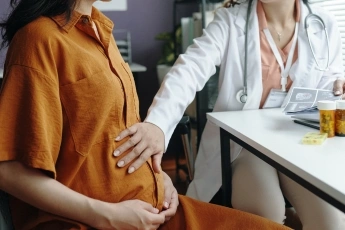
Antenatal Care (Pregnancy Care)
Antenatal care is the term for routine prenatal examinations to track the mother’s and the developing child’s health. These checkups guarantee a healthy pregnancy and aid in the early detection of issues.

Normal Vaginal Delivery
A normal delivery is when the baby is delivered naturally, via the birth canal, without the need for surgery. To guarantee safety during labor, doctors closely watch both the mother and the unborn child.
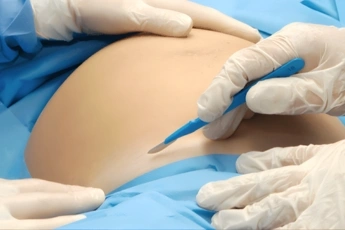
Caesarean Section (C-Section)
When a regular birth is unsafe for both the mother and the unborn child, a Caesarean section is performed. A little opening is made in the uterus and abdomen to deliver the baby.
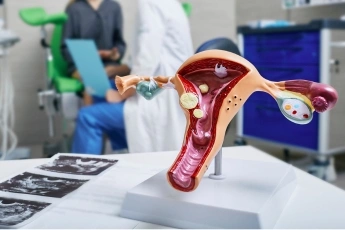
Gynaecological Problem Treatment
Common female health issues involving the ovaries, uterus, and reproductive organs are diagnosed and treated by us.
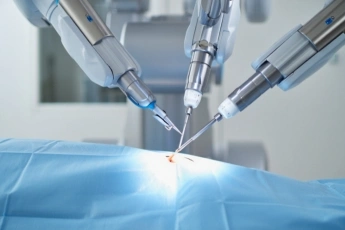
Laparoscopic (Keyhole) Surgery
A camera and extremely tiny incisions are used during laparoscopic surgery, a minimally invasive technique. Compared to open surgery, it is less painful and allows for a quicker recovery.

Infertility Evaluation & Care
Infertility is the inability to conceive after a prolonged time of trying. In addition to offering advice and treatment choices, we assess both couples.

Menopause Care
The natural stage of menopause, which often occurs around middle age, is when monthly periods permanently end. Some women could have symptoms that require medical attention.
Antenatal Care (Pregnancy Care)
Antenatal care is the term for routine prenatal examinations to track the mother’s and the developing child’s health. These checkups guarantee a healthy pregnancy and aid in the early detection of issues.
Normal Vaginal Delivery
A normal delivery is when the baby is delivered naturally, via the birth canal, without the need for surgery. To guarantee safety during labor, doctors closely watch both the mother and the unborn child.
Caesarean Section (C-Section)
When a regular birth is unsafe for both the mother and the unborn child, a Caesarean section is performed. A little opening is made in the uterus and abdomen to deliver the baby.
Gynaecological Problem Treatment
Common female health issues involving the ovaries, uterus, and reproductive organs are diagnosed and treated by us.
Laparoscopic (Keyhole) Surgery
A camera and extremely tiny incisions are used during laparoscopic surgery, a minimally invasive technique. Compared to open surgery, it is less painful and allows for a quicker recovery.
Infertility Evaluation & Care
Infertility is the inability to conceive after a prolonged time of trying. In addition to offering advice and treatment choices, we assess both couples.
Menopause Care
The natural stage of menopause, which often occurs around middle age, is when monthly periods permanently end. Some women could have symptoms that require medical attention.
Diseases treated


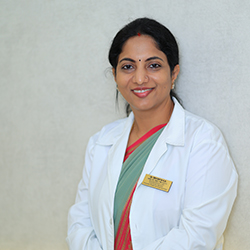
Obstetrics & Gynaecology Doctors


FAQs
After her periods begin or at any time she has acute discomfort, irregular cycles, odd discharge, or other concerns, a girl can see a gynecologist.
High blood pressure, diabetes, twin pregnancies, or issues from a prior pregnancy increase the likelihood of difficulties for both the mother and the unborn child in a high-risk pregnancy. Closer observation is necessary in such circumstances.
Fibroids are benign (non-threatening) growths in the uterus that can hurt or produce a lot of bleeding. Depending on their size and symptoms, they may be treated with medication or surgery.
Depending on the doctor’s recommendation, usually once a month in the first few weeks of pregnancy, every two weeks in the following months, and weekly in the last few weeks.
Indeed. When medically required to safeguard the mother and child, a C-section is a regular and safe treatment.
A medical checkup is advised if periods are exceedingly heavy or painful, halt for several months, or occur often.