
Overview
The diagnosis and treatment of disorders affecting the digestive system, which includes the stomach, intestines, liver, pancreas, gallbladder, and food pipe (esophagus), are the main goals of SSM Hospital’s Medical Gastroenterology Department.
Despite being quite prevalent, digestive issues are frequently disregarded until they worsen. Constant acidity, stomach discomfort, vomiting, constipation, diarrhea, jaundice, and appetite loss are among the signs that our doctors assess. To find issues early and treat them safely and effectively, we employ endoscopic techniques and contemporary diagnostic testing.
Book Appointment
Treatments & Procedure
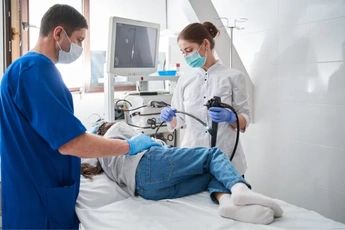
Upper GI Endoscopy
A camera examines the stomach, first segment of the intestine, and food pipe.
To check for ulcers, inflammation, bleeding, or infection, a tiny, flexible tube equipped with a camera is carefully inserted into the mouth. (Endoscopy means “applying a camera to look inside the body.”)
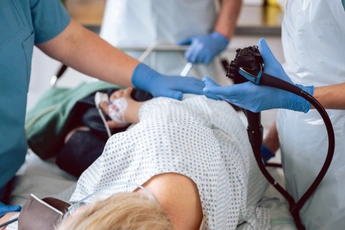
Colonoscopy
Utilization of a flexible camera to perform a detailed examination of the colon, or large intestine.
This test aids in the detection of colon inflammation, polyps, bleeding, and the reasons of persistent diarrhea. Additionally, it aids in colon cancer early diagnosis.
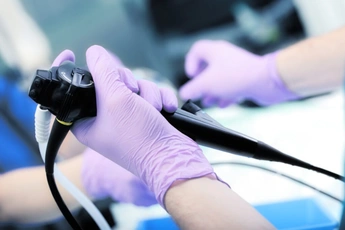
Endoscopic Retrograde Cholangiopancreatography
Blockages in the pancreatic and bile ducts are treated using specialized endoscopy.
Bile duct stones are removed using a specialized endoscope to clear the obstruction that is causing the jaundice.
(To put it simply, ERCP removes blockage in the bile drainage system.)
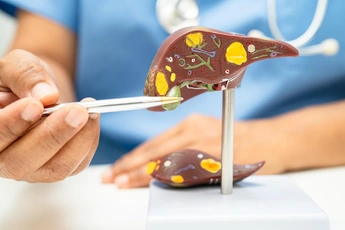
Liver Disease Management
Liver problems are monitored and treated medically.
In order to avoid liver damage, we treat fatty liver, hepatitis infections, and alcohol-related liver disease with medication, lifestyle modifications, and routine monitoring.
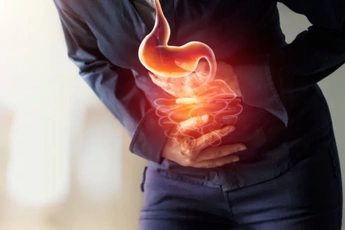
GERD & Acid Reflux Treatment
Therapy for persistent acid reflux and chest burning.
When stomach acid keeps returning to the food pipe, GERD develops. Medication, dietary adjustments, and lifestyle modifications are all part of the treatment.
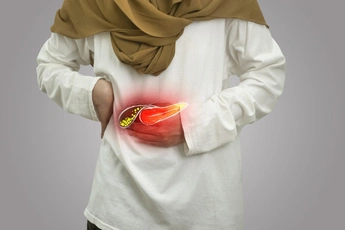
Pancreatitis Treatment
Treat pancreatic inflammation that is causing excruciating stomach discomfort.
The pancreas aids in sugar regulation and digesting. Alcohol use, gallstones, or infections can all cause inflammation, which calls for appropriate medical attention and close observation.
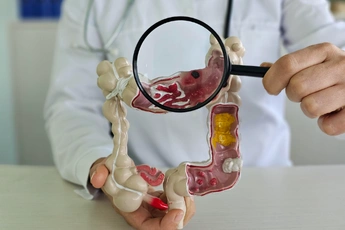
Gastrointestinal Bleeding Management
Recognizing and managing bleeding in the gastrointestinal tract.
Weakness, vomiting blood, or dark stools are some symptoms of bleeding. Finding and treating the bleeding cause is aided by endoscopy.
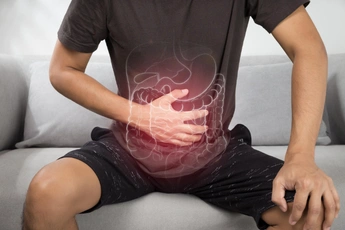
Irritable Bowel Syndrome (IBS) Care
Managing sensitive bowel syndrome over time, which can lead to discomfort and changes in bowel habits.
IBS is a functional condition, which means that although the gut seems normal, it is not functioning correctly. Medication, stress management, and dietary modifications are the mainstays of treatment.
Upper GI Endoscopy
A camera examines the stomach, first segment of the intestine, and food pipe.
To check for ulcers, inflammation, bleeding, or infection, a tiny, flexible tube equipped with a camera is carefully inserted into the mouth. (Endoscopy means “applying a camera to look inside the body.”)
Colonoscopy
Utilization of a flexible camera to perform a detailed examination of the colon, or large intestine.
This test aids in the detection of colon inflammation, polyps, bleeding, and the reasons of persistent diarrhea. Additionally, it aids in colon cancer early diagnosis.
Endoscopic Retrograde Cholangiopancreatography
Blockages in the pancreatic and bile ducts are treated using specialized endoscopy.
Bile duct stones are removed using a specialized endoscope to clear the obstruction that is causing the jaundice.
(To put it simply, ERCP removes blockage in the bile drainage system.)
Liver Disease Management
Liver problems are monitored and treated medically.
In order to avoid liver damage, we treat fatty liver, hepatitis infections, and alcohol-related liver disease with medication, lifestyle modifications, and routine monitoring.
GERD & Acid Reflux Treatment
Therapy for persistent acid reflux and chest burning.
When stomach acid keeps returning to the food pipe, GERD develops. Medication, dietary adjustments, and lifestyle modifications are all part of the treatment.
Pancreatitis Treatment
Treat pancreatic inflammation that is causing excruciating stomach discomfort.
The pancreas aids in sugar regulation and digesting. Alcohol use, gallstones, or infections can all cause inflammation, which calls for appropriate medical attention and close observation.
Gastrointestinal Bleeding Management
Recognizing and managing bleeding in the gastrointestinal tract.
Weakness, vomiting blood, or dark stools are some symptoms of bleeding. Finding and treating the bleeding cause is aided by endoscopy.
Irritable Bowel Syndrome (IBS) Care
Managing sensitive bowel syndrome over time, which can lead to discomfort and changes in bowel habits.
IBS is a functional condition, which means that although the gut seems normal, it is not functioning correctly. Medication, stress management, and dietary modifications are the mainstays of treatment.
Diseases treated


FAQs
A straightforward camera examination that looks into the stomach to find infections or ulcers.
If you suffer from chronic constipation, jaundice, vomiting, stomach discomfort, or acidity.
Indeed. Food pipe damage and ulcers can result from chronic, untreated acidity.
No. It is often completed quickly under moderate sedation or local anesthetic.
Common factors include excessive cholesterol, diabetes, obesity, and alcohol usage.
To determine the causes of polyps, colon cancer screening, bleeding, and persistent diarrhea.