
Overview
SSM Hospital’s Facio-Maxillary Surgery Department handles surgically necessary issues pertaining to the face, jaw, mouth, and teeth. These disorders might be brought on by trauma, birth abnormalities, infections, cancers, or serious dental issues.
Normal speech, breathing, eating, and facial look are the main goals of our surgeons. To provide a safe and comfortable recovery for our patients, we employ state-of-the-art surgical procedures and meticulous preparation.
Book Appointment
Treatments & Procedure
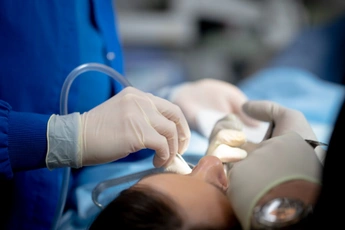
Facial Trauma Surgery
Treatment for facial and jaw injuries and fractures.
Facial bone fractures can result from sports injuries, falls, or accidents. In order for the face to recover and function correctly, surgery realigns the bones and secures them with tiny plates and screws.
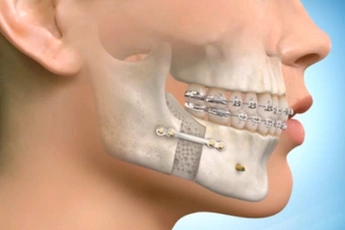
Orthognathic (Jaw Correction) Surgery
Adjusting misaligned jaws to enhance face balance and bite.
Some people have misaligned upper and lower jaws, which can lead to facial imbalance, speech problems, or trouble eating. The jaws are moved into the proper position by orthognathic surgery.
Orthognathic refers to the surgical adjustment of the jaw position.
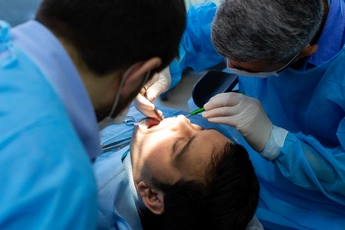
Dental Implant Surgery
Replacement of lost teeth that is permanent.
Artificial tooth roots, or titanium screws, are inserted into the mandible as dental implants. They resemble natural teeth in appearance and function and support a fixed tooth or bridge.

TMJ Disorder Treatment
Alleviation of clicking, jaw joint discomfort, and trouble opening the mouth.
The joint that joins the mouth to the skull close to the ear is called the temporomandibular joint, or TMJ. When it is injured, chewing issues, headaches, and jaw pain may result. Medication, counseling, or, in extreme situations, surgery, may be used as treatment.
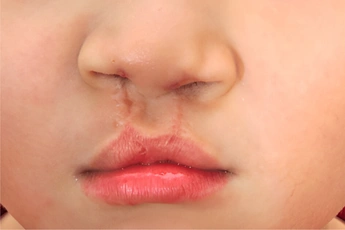
Cleft Lip & Palate Surgery
Surgical repair for congenital abnormalities affecting the mouth and lips.
Some babies are born with a palate or lip opening that impacts their ability to speak and eat. The gap is closed via surgery, allowing the youngster to speak and eat normally.
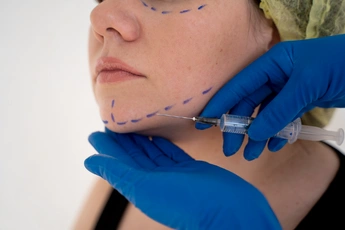
Facial Cosmetic & Reconstructive Surgery
Enhancing facial features and fixing abnormalities.
By correcting changes in face form brought on by aging, trauma, or birth abnormalities, these operations enhance confidence and function.
Facial Trauma Surgery
Treatment for facial and jaw injuries and fractures.
Facial bone fractures can result from sports injuries, falls, or accidents. In order for the face to recover and function correctly, surgery realigns the bones and secures them with tiny plates and screws.
Orthognathic (Jaw Correction) Surgery
Adjusting misaligned jaws to enhance face balance and bite.
Some people have misaligned upper and lower jaws, which can lead to facial imbalance, speech problems, or trouble eating. The jaws are moved into the proper position by orthognathic surgery.
Orthognathic refers to the surgical adjustment of the jaw position.
Dental Implant Surgery
Replacement of lost teeth that is permanent.
Artificial tooth roots, or titanium screws, are inserted into the mandible as dental implants. They resemble natural teeth in appearance and function and support a fixed tooth or bridge.
TMJ Disorder Treatment
Alleviation of clicking, jaw joint discomfort, and trouble opening the mouth.
The joint that joins the mouth to the skull close to the ear is called the temporomandibular joint, or TMJ. When it is injured, chewing issues, headaches, and jaw pain may result. Medication, counseling, or, in extreme situations, surgery, may be used as treatment.
Cleft Lip & Palate Surgery
Surgical repair for congenital abnormalities affecting the mouth and lips.
Some babies are born with a palate or lip opening that impacts their ability to speak and eat. The gap is closed via surgery, allowing the youngster to speak and eat normally.
Facial Cosmetic & Reconstructive Surgery
Enhancing facial features and fixing abnormalities.
By correcting changes in face form brought on by aging, trauma, or birth abnormalities, these operations enhance confidence and function.


FAQs
They treat disorders of the face, jaw, mouth, and teeth, including cysts, oral infections, missing teeth, fractures, and jaw abnormalities.
Indeed. With the right maintenance, dental implants are a dependable and long-lasting way to replace lost teeth. They often survive for many years.
While minor fractures may mend with rest, displaced fractures typically require surgery to return to normal function and appearance.
You won’t experience any discomfort throughout the process because the surgery is performed under anesthetic. Following surgery, medications are used to manage mild swelling and pain.
Seek advice if you have:
- Having trouble opening your mouth or eating
- A clicking sound or jaw discomfort
- Fractures or facial injuries
- Absence of teeth
- Swelling of the mouth or jaw
Indeed. Early surgery promotes healthy feeding, clear speech, and normal facial development in the kid.