
Overview
SSM Hospital’s Neonatology Department offers specialized medical treatment for newborns, particularly those who are preterm or have other health issues. Our staff keeps a tight eye on newborns and makes sure they grow, feed, breathe, and develop safely throughout those crucial first few days of life.
The field of neonatology studies infants from birth to 28 days of age, a time known as the neonatal phase during which they require close monitoring and assistance. Low birth weight babies, preterm babies, newborns with respiratory issues, infections, and babies who need close postpartum supervision can all be handled by our unit.
Book Appointment
Treatments & Procedure
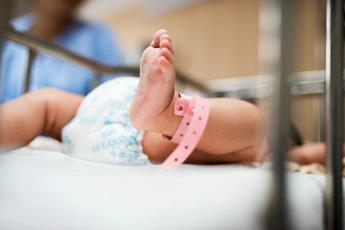
Care at the Neonatal Intensive Care Unit (NICU)
Advanced life-support care and monitoring for neonates in danger.
The NICU is a specialized nursery equipped with oxygen support, heaters, incubators, and devices for constant monitoring. This is where unwell or preterm babies are kept for careful monitoring.
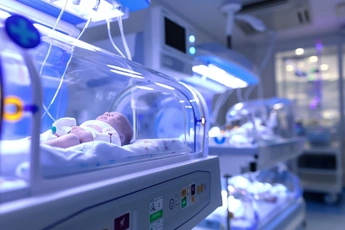
Incubator & Warmer Support
Securely keeping the baby’s body temperature stable.
Babies born too soon have little control over their body temperature. An incubator offers the same warmth and shelter as a mother’s womb.
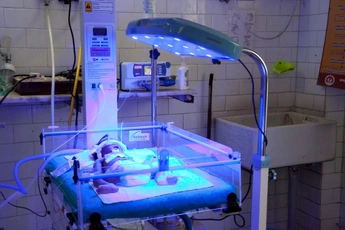
Phototherapy for Jaundice
Light therapy to lower elevated bilirubin levels.
Newborns with jaundice (yellow skin) are treated with a special blue light instead. It safely eliminates too much bilirubin from the infant’s blood.
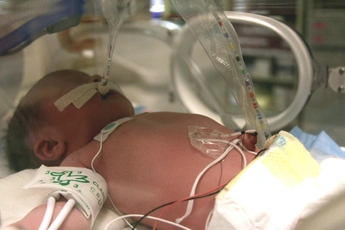
Oxygen & CPAP Support
Assisting infants in breathing easily.
The lungs of some neonates are underdeveloped. Continuous Positive Airway Pressure, or CPAP, is a mild air pressure that helps babies breathe by maintaining their lungs open.
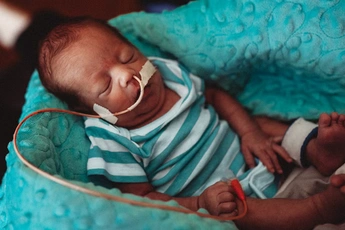
Tube Feeding (Gavage Feeding)
Assistance with nutrition for infants who are unable to drink milk.
A thin feeding tube is used to provide milk to a newborn who is too weak to be breastfed in order to guarantee enough nourishment.
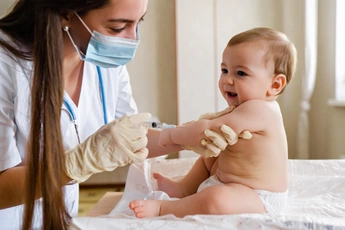
Infection Management
Early identification and management of infections in newborns.
Immunity is poor in newborns. Serious problems are avoided with the use of antibiotics and close observation.
Care at the Neonatal Intensive Care Unit (NICU)
Advanced life-support care and monitoring for neonates in danger.
The NICU is a specialized nursery equipped with oxygen support, heaters, incubators, and devices for constant monitoring. This is where unwell or preterm babies are kept for careful monitoring.
Incubator & Warmer Support
Securely keeping the baby’s body temperature stable.
Babies born too soon have little control over their body temperature. An incubator offers the same warmth and shelter as a mother’s womb.
Phototherapy for Jaundice
Light therapy to lower elevated bilirubin levels.
Newborns with jaundice (yellow skin) are treated with a special blue light instead. It safely eliminates too much bilirubin from the infant’s blood.
Oxygen & CPAP Support
Assisting infants in breathing easily.
The lungs of some neonates are underdeveloped. Continuous Positive Airway Pressure, or CPAP, is a mild air pressure that helps babies breathe by maintaining their lungs open.
Tube Feeding (Gavage Feeding)
Assistance with nutrition for infants who are unable to drink milk.
A thin feeding tube is used to provide milk to a newborn who is too weak to be breastfed in order to guarantee enough nourishment.
Infection Management
Early identification and management of infections in newborns.
Immunity is poor in newborns. Serious problems are avoided with the use of antibiotics and close observation.


FAQs
If a baby is born early, has respiratory issues, is underweight, has an infection, or has trouble eating, they may require NICU care.
Indeed. Many preterm newborns can develop normally with current NICU care if they are properly monitored and fed.
The state of the infant determines this. Some remain for a few days, while babies that are really preterm could require many weeks of observation.
The majority of jaundice is minor and curable. Early therapy is crucial since extremely high levels can harm the baby’s brain if left untreated.
Indeed. In addition to offering advice on safe handling and feeding practices, SSM Hospital promotes parent visits.