
Overview
SSM Hospital’s Surgical Gastroenterology Department offers state-of-the-art surgical treatment for disorders affecting the pancreas, intestines, rectum, liver, gallbladder, stomach, and food pipe (esophagus). Surgery is required to permanently fix the issue when medications and endoscopy are insufficient.
Both traditional and laparoscopic (keyhole) operations are carried out by our specialists.
Book Appointment
Treatments & Procedure
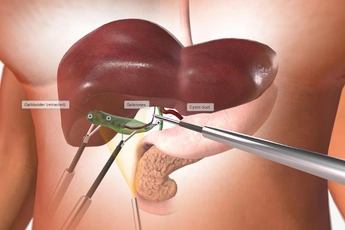
Laparoscopic Gallbladder Surgery (Cholecystectomy)
To cure painful gallstones, the gallbladder is removed.
Vomiting and excruciating stomach discomfort are symptoms of gallstones. A camera makes microscopic incisions to remove the gallbladder, allowing for quicker recuperation.
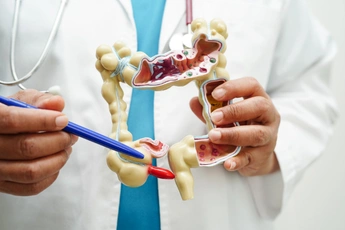
Appendectomy
Surgery is necessary immediately for an infected appendix.
Severe lower abdomen discomfort is a symptom of appendicitis. Before the diseased appendix explodes and infects the abdomen, it is removed.
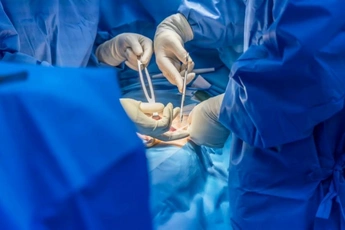
Hernia Repair Surgery
Building up weak abdominal muscles.
A protrusion brought on by a weak muscular wall is called a hernia. A mesh support is implanted during surgery to stop recurrence.
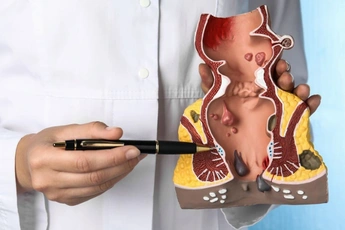
Piles, Fistula & Fissure Surgery
Alleviation of anus-related discomfort, bleeding, and edema.
Laser surgery or smaller operations can help remove aberrant tracts (fistula) or enlarged veins (piles) when medications don’t work.
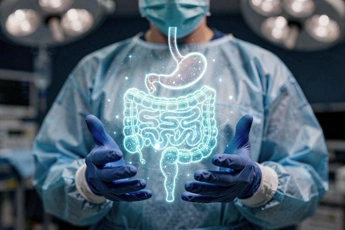
Intestinal Obstruction Surgery
Eliminating intestinal obstruction.
In order to restore regular digestion when food cannot pass through the intestinal, emergency surgery is performed to remove the obstruction.
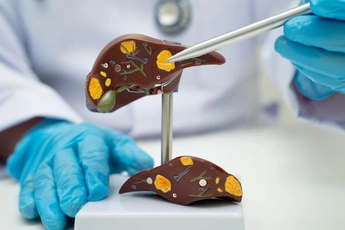
Liver & Pancreas Procedures
Cyst, abscess, and consequences treatment.
Drainage or surgical repair are necessary for some pancreatic or liver issues in order to avoid infection and organ damage.
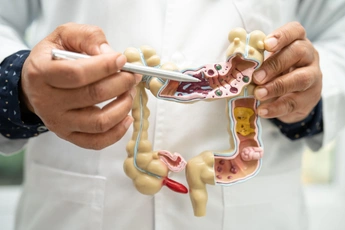
Colorectal Surgery
Rectal and large intestine surgery.
used to treat conditions including cancer, serious infections, or persistent bowel diseases that interfere with regular bowel movements.
Laparoscopic Gallbladder Surgery (Cholecystectomy)
To cure painful gallstones, the gallbladder is removed.
Vomiting and excruciating stomach discomfort are symptoms of gallstones. A camera makes microscopic incisions to remove the gallbladder, allowing for quicker recuperation.
Appendectomy
Surgery is necessary immediately for an infected appendix.
Severe lower abdomen discomfort is a symptom of appendicitis. Before the diseased appendix explodes and infects the abdomen, it is removed.
Hernia Repair Surgery
Building up weak abdominal muscles.
A protrusion brought on by a weak muscular wall is called a hernia. A mesh support is implanted during surgery to stop recurrence.
Piles, Fistula & Fissure Surgery
Alleviation of anus-related discomfort, bleeding, and edema.
Laser surgery or smaller operations can help remove aberrant tracts (fistula) or enlarged veins (piles) when medications don’t work.
Intestinal Obstruction Surgery
Eliminating intestinal obstruction.
In order to restore regular digestion when food cannot pass through the intestinal, emergency surgery is performed to remove the obstruction.
Liver & Pancreas Procedures
Cyst, abscess, and consequences treatment.
Drainage or surgical repair are necessary for some pancreatic or liver issues in order to avoid infection and organ damage.
Colorectal Surgery
Rectal and large intestine surgery.
used to treat conditions including cancer, serious infections, or persistent bowel diseases that interfere with regular bowel movements.


FAQs
Surgery is the safest and most effective course of therapy if symptoms worsen, problems arise, or organs become infected or obstructed.
Most laparoscopic procedures necessitate a stay of one to three days. As daycare, a few small surgeries are performed.
No, removing the gallbladder is the long-term cure since stones typically reappear.
Indeed. Compared to open surgery, it typically results in less discomfort, less scars, and a faster recovery time.
No, laparoscopic surgery leaves relatively little scars since it makes extremely tiny incisions.