
Overview
Our neurosurgery department provides specialized surgical care for disorders affecting the brain, spine, and nerves. To help patients recover more quickly and safely, we prioritize precise diagnosis, minimally invasive procedures, and attentive post-operative monitoring.
From the first assessment to rehabilitation, our team collaborates closely with neurologists, intensive care unit physicians, physiotherapists, and pain experts to provide comprehensive care.
Book Appointment
Treatments & Procedure
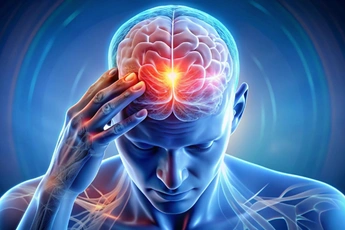
Brain Tumor Surgery
Accurately removing aberrant brain growths while preserving good tissue
An abnormal growth that grows inside the brain and can cause seizures, headaches, vomiting, or visual issues is called a brain tumor. The tumor is removed during surgery, which also releases pressure on the brain.
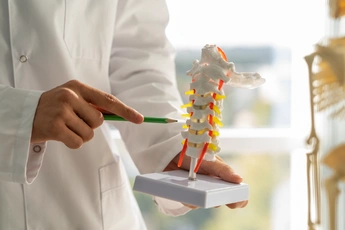
Spinal Fusion
Stabilize a weak or injured spine to reduce excruciating back pain.
In order to prevent uncomfortable movement, spinal fusion involves joining two or more vertebrae (bones) with bone grafts or tiny metal implants.
Aneurysm Clipping & Coiling
Preventing harmful stroke and brain hemorrhage
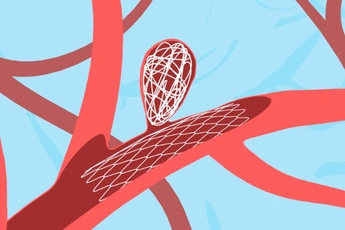
A brain aneurysm is a blood artery enlargement that resembles a balloon and has the potential to rupture and result in stroke.
- Clipping: a little clip stops the swelling’s blood supply.
- Coiling: To seal the swelling, a narrow tube inserts coils inside of it.
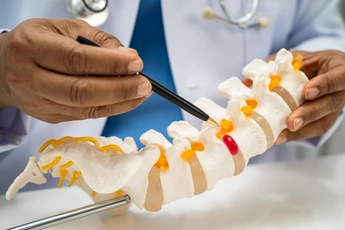
Microdiscectomy
Surgery with a small incision to treat discomfort from a slipped disc
Severe leg pain, tingling, or numbness (sciatica) can result from a slipped disc pressing on nerves. Only the damaged portion of the disc is removed during this process.
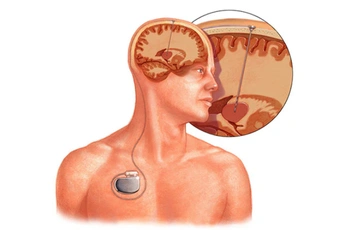
Deep Brain Stimulation (DBS)
Parkinson’s disease and tremors treated with electrical treatment
Abnormal movements are controlled by mild electrical impulses sent by a tiny device implanted in the brain.

Carpal Tunnel Release
Relieving tingling and numbness in the hands
Hand tingling, weakness, and discomfort are caused by pressure on the wrist nerve. The tight ligament that is pushing on the nerve is released after surgery.
Brain Tumor Surgery
Accurately removing aberrant brain growths while preserving good tissue
An abnormal growth that grows inside the brain and can cause seizures, headaches, vomiting, or visual issues is called a brain tumor. The tumor is removed during surgery, which also releases pressure on the brain.
Spinal Fusion
Stabilize a weak or injured spine to reduce excruciating back pain.
In order to prevent uncomfortable movement, spinal fusion involves joining two or more vertebrae (bones) with bone grafts or tiny metal implants.
Aneurysm Clipping & Coiling
Preventing harmful stroke and brain hemorrhage
A brain aneurysm is a blood artery enlargement that resembles a balloon and has the potential to rupture and result in stroke.
- Clipping: a little clip stops the swelling’s blood supply.
- Coiling: To seal the swelling, a narrow tube inserts coils inside of it.
Microdiscectomy
Surgery with a small incision to treat discomfort from a slipped disc
Severe leg pain, tingling, or numbness (sciatica) can result from a slipped disc pressing on nerves. Only the damaged portion of the disc is removed during this process.
Deep Brain Stimulation (DBS)
Parkinson’s disease and tremors treated with electrical treatment
Abnormal movements are controlled by mild electrical impulses sent by a tiny device implanted in the brain.
Carpal Tunnel Release
Relieving tingling and numbness in the hands
Hand tingling, weakness, and discomfort are caused by pressure on the wrist nerve. The tight ligament that is pushing on the nerve is released after surgery.
Diseases treated


FAQs
No. Nowadays, a lot of surgeries are minimally invasive, and depending on the condition, patients may be able to walk within one to three days.
Although full recovery depends on the ailment being treated, most patients stay in the hospital for three to seven days.
quite high when done properly, particularly before irreversible nerve damage happens.
No, surgery is only necessary for people who have failed medical treatment, have extreme pain, or have weak nerves.
Deep Brain Stimulation greatly reduces tremors and enhances quality of life, but it cannot be cured.